All Blogs
Multi Factor Authentication Solutions: Strengthening Security in the Digital Age
In today’s rapidly evolving digital landscape, cyber threats are becoming more advanced and frequent.
Businesses, organizations, and individuals are constantly searching for better ways to protect sensitive
information and online accounts. One of the most effective methods for improving cybersecurity is
implementing
multi factor authentication solutions.
Passwords alone are no longer enough to safeguard critical systems and confidential data. Cybercriminals
use phishing attacks, malware, and credential theft techniques to gain unauthorized access. Multi factor
authentication adds an extra layer of protection, making it significantly harder for attackers to breach
accounts.
In this blog, we’ll explore what multi factor authentication solutions are, how they work, their
benefits, key features, industries using them, and why they are essential for modern cybersecurity.
What Are Multi Factor Authentication Solutions?
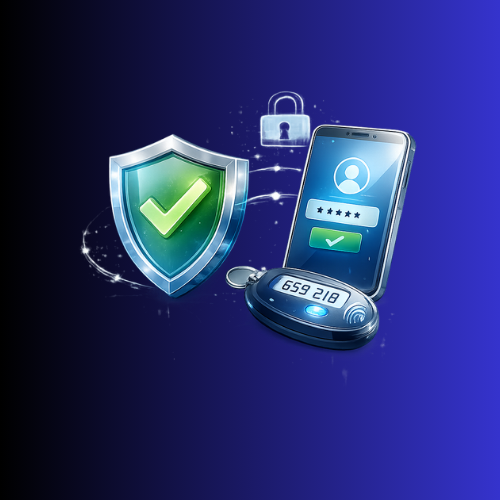
Multi factor authentication solutions are security systems that require users to verify
their identity
using two or more authentication factors before accessing an account, application, or network.
Instead of relying only on a password, MFA combines multiple verification methods, such as:
-
Something you know (password or PIN)
-
Something you have (physical token, smartphone)
-
Something you are (fingerprint or facial recognition)
This layered security approach reduces the risk of unauthorized access, even if passwords are
compromised.
How Multi Factor Authentication Solutions Work
The authentication process typically follows these steps:
-
User Login
The user enters their username and password.
-
Additional Verification
The system requests a second verification method, such as:
- One-time password (OTP)
- Push notification approval
- Biometric scan
- Security token code
-
Access Approval
Once all authentication factors are verified, access is granted.
This additional layer of security ensures that attackers cannot easily access accounts using
stolen credentials alone.
Types of Multi Factor Authentication Solutions
-
SMS-Based Authentication
Users receive a one-time verification code via text message.
-
Authenticator Apps
Apps generate time-sensitive authentication codes for secure login verification.
-
Push Notifications
Users approve login requests directly through a mobile application.
-
Biometric Authentication
Fingerprint scans, facial recognition, or retina scans verify user identity.
-
Hardware Tokens
Physical security keys generate authentication codes or enable secure access.
-
Email Verification
Verification links or codes are sent to registered email addresses.
Benefits of Multi Factor Authentication Solutions
-
Enhanced Security
MFA significantly reduces the chances of unauthorized access and cyberattacks.
-
Protection Against Phishing
Even if attackers steal passwords, additional authentication layers prevent account compromise.
-
Regulatory Compliance
Many industries require MFA to comply with cybersecurity regulations and data protection
standards.
-
Improved User Trust
Customers and employees feel safer using systems protected by advanced authentication.
-
Reduced Data Breaches
Organizations can minimize financial and reputational damage caused by cyber incidents.
-
Secure Remote Access
MFA helps secure remote work environments and cloud-based applications.
Industries Using Multi Factor Authentication Solutions
-
Banking and Finance
Financial institutions use MFA to secure online banking and digital transactions.
-
Healthcare
Healthcare providers protect patient records and sensitive medical data.
-
E-Commerce
Online retailers secure customer accounts and payment information.
-
Government Organizations
Government agencies use MFA to protect confidential systems and citizen data.
-
Education
Schools and universities secure student and staff accounts.
-
IT and Technology
Technology companies implement MFA to secure cloud platforms and enterprise systems.
Key Features to Look for in Multi Factor Authentication Solutions
When choosing an MFA solution, businesses should consider the following features:
-
Easy user experience
-
Biometric authentication support
-
Cloud compatibility
-
Mobile device integration
-
Real-time alerts and monitoring
-
Adaptive authentication
-
Single sign-on (SSO) integration
-
Scalability for business growth
The right solution should balance strong security with user convenience.
Why Businesses Need Multi Factor Authentication Solutions
Cybersecurity threats are increasing every year, and organizations can no longer rely solely on
passwords for protection. Businesses handling customer data, financial records, or confidential
information must adopt advanced security measures.
Multi factor authentication solutions help organizations:
-
Prevent unauthorized access
-
Protect sensitive data
-
Improve compliance
-
Reduce cyberattack risks
-
Enhance overall cybersecurity posture
As remote work and cloud computing continue to grow, MFA is becoming an essential part of modern
digital security strategies.
Challenges of Implementing MFA
Although MFA offers strong security benefits, some organizations may face challenges during
implementation.
-
User Resistance
Some users may find additional login steps inconvenient.
-
Integration Complexity
Businesses may need technical expertise to integrate MFA with existing systems.
-
Cost Considerations
Advanced MFA systems may require investment in hardware or software infrastructure.
-
Device Dependency
Some authentication methods rely heavily on smartphones or external devices.
Despite these challenges, the long-term security benefits far outweigh the implementation difficulties.
Future of Multi Factor Authentication Solutions
The future of MFA is evolving with emerging technologies such as artificial intelligence, behavioral
analytics, and passwordless authentication.
Modern security systems are moving toward:
-
Biometric-only authentication
-
AI-powered threat detection
-
Context-aware authentication
-
Zero trust security models
-
Passwordless login experiences
These innovations will make authentication both more secure and more user-friendly.
Conclusion
In an era of growing cyber threats, multi-factor authentication solutions have become
essential for
protecting digital identities, systems, and sensitive information. By requiring multiple forms of
verification, MFA dramatically improves security and reduces the risk of data breaches.
Businesses across industries are adopting MFA to strengthen cybersecurity, ensure compliance, and build
customer trust. As technology continues to evolve, multi factor authentication will remain a critical
component of modern digital security strategies.