QED
QED


 English
 QED
English
QED
English
 All Blogs
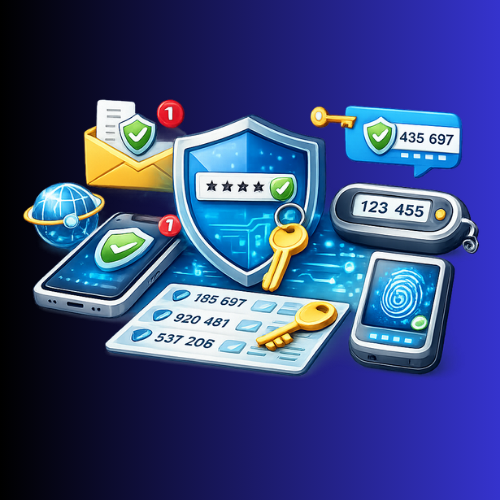
Multi Factor Authentication Solutions: Strengthening Digital Security
With the rise of cyber threats and data breaches, protecting user access has become a critical priority for businesses. Passwords alone are no longer enough. This is why organizations are adopting multi factor authentication solutions to secure systems, applications, and sensitive data more effectively.
By adding multiple layers of verification, businesses can significantly reduce the risk of unauthorized access.
Multi-factor authentication (MFA) is a security approach that requires users to verify their identity using more than one factor. These factors typically fall into three categories:
Using multiple verification steps ensures stronger protection even if one factor is compromised.
Traditional login systems rely heavily on passwords, which are vulnerable to phishing, brute-force attacks, and data leaks. Multi-factor authentication adds an extra security layer that makes unauthorized access extremely difficult.
These advantages make MFA a vital component of modern digital security strategies.
Organizations across industries use MFA to protect critical systems and user data. Common applications include employee logins, cloud platforms, financial systems, healthcare records, and customer portals.
As digital operations expand, multi-factor authentication solutions help ensure secure access without compromising user experience.
With increasing regulatory requirements and remote work environments, strong identity verification is no longer optional. Businesses that implement MFA are better prepared to prevent security breaches and maintain compliance with global data protection standards.
Adopting advanced authentication methods today helps organizations build resilient and future-ready digital infrastructures.
Modern cybersecurity demands more than simple passwords. By implementing multi-factor authentication solutions, businesses can protect sensitive data, reduce cyber risks, and build trust with users in an increasingly digital world.
Modern cybersecurity demands more than simple passwords. By implementing multi factor authentication solutions, businesses can protect sensitive data, reduce cyber risks, and build trust with users in an increasingly digital world.
Start with a free trial and redefine trust with the digital product passport