QED
QED


 English
 QED
English
QED
English
 All Blogs
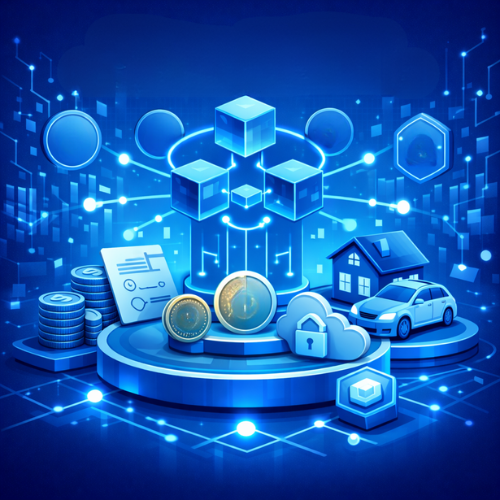
Digital Asset Tokenization: Transforming Ownership in the Digital Economy
The rapid evolution of blockchain technology has introduced new ways to own, manage, and trade assets in the digital world. One of the most impactful innovations is digital asset tokenization , a process that is reshaping traditional finance, real estate, art, and many other industries. By converting real-world and digital assets into blockchain-based tokens, businesses and investors gain access to greater liquidity, transparency, and efficiency.
In this blog, we’ll explore what digital asset tokenization is, how it works, its benefits, and why it is becoming a key pillar of the modern digital economy.
Digital asset tokenization is the process of converting ownership rights of an asset into digital tokens recorded on a blockchain. These tokens represent a share, right, or value of the underlying asset and can be transferred, traded, or stored securely.
Assets that can be tokenized include:
Through digital asset tokenization, physical and intangible assets become easily divisible, tradable, and accessible on digital platforms.
The process of digital asset tokenization generally follows these steps:
This structured approach ensures security, transparency, and trust in tokenized assets.
Digital asset tokenization is already being applied across multiple industries:
Traditional asset management involves intermediaries, lengthy processes, and limited access. In contrast, digital asset tokenization reduces reliance on intermediaries, improves efficiency, and enhances accessibility. Smart contracts automate compliance and execution, reducing human error and administrative overhead.
This shift represents a major evolution in how assets are created, owned, and transferred.
While digital asset tokenization offers significant benefits, there are challenges to consider:
Addressing these challenges is critical for the long-term success of tokenized ecosystems.
As blockchain adoption grows, digital asset tokenization is expected to become mainstream. Governments, financial institutions, and enterprises are exploring tokenized systems to improve efficiency and transparency. With advancements in regulation and technology, tokenization will likely redefine global asset markets.
The future points toward a more inclusive, efficient, and digital-first financial ecosystem where assets are accessible to a broader audience.
Digital asset tokenization is revolutionizing the way assets are owned, managed, and traded. By combining
blockchain technology with real-world assets, tokenization delivers greater liquidity, transparency, and
security. As industries continue to embrace digital transformation, digital asset tokenization will play a
central role in shaping the future of the global economy.
For businesses and investors looking to stay ahead, understanding and adopting digital asset tokenization is
no longer optional—it’s essential.
Start with a free trial and redefine trust with the digital product passport