Tokenized Assets: The Future of Digital Ownership and Smart Investments
Left arrow All Blogs

Tokenized Assets: The Future of Digital Ownership and Smart Investments

Tokenized Assets The Future of Digital Ownership and Smart Investments

Tokenized Assets: The Future of Digital Ownership and Smart Investments

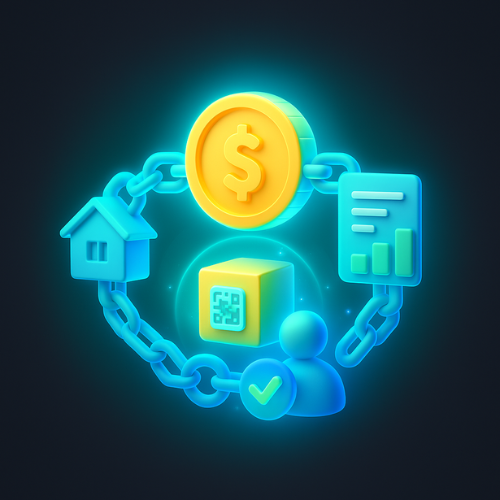
In today’s rapidly evolving financial world, Tokenized Assets are emerging as one of the most transformative innovations. By converting real-world assets into digital tokens on a blockchain, tokenization is reshaping how people buy, sell, and invest. Whether it’s real estate, artwork, commodities, or even intellectual property, tokenized assets offer a smarter, faster, and more accessible way to own and trade valuable items.

What Are Tokenized Assets?

Tokenized assets are digital representations of physical or intangible assets. Each token represents a fractional share of the asset, and all transactions are securely recorded on a blockchain. This means ownership can be transferred instantly, transparently, and securely without intermediaries.

For example, a property worth ₹1 crore can be tokenized into 1,000 tokens. Investors can buy even one token, allowing fractional ownership and making large investments more accessible.

Why Tokenized Assets Are Gaining Popularity

  1. Fractional Ownership Tokenization breaks high-value assets into smaller units, letting small investors participate in markets like real estate and fine art that were traditionally available only to the wealthy.
  2. Increased Liquidity Traditional assets such as property or collectibles are difficult to sell quickly. Tokenized assets can be traded on digital marketplaces instantly, giving investors higher liquidity.
  3. Enhanced Transparency & Security Since tokenized assets operate on blockchain technology, all transactions are immutable and transparent. This reduces fraud and builds investor trust.
  4. Faster & Cost-Efficient Transactions Tokenization removes middlemen like brokers and agents, resulting in faster settlement and lower transaction costs.
  5. Global Accessibility Investors from anywhere in the world can buy or sell tokens without geographical limitations.

Types of Assets That Can Be Tokenized

✔ Real Estate residential, commercial, land

✔ Art & Collectibles paintings, sculptures, NFTs

✔ Commodities gold, oil, agricultural goods

✔ Business Shares & Equity

✔ Intellectual Property music royalties, patents

✔ Luxury Items cars, watches, yachts

Almost any valuable asset can be digitized and traded as tokens.

How Tokenized Assets Work

  1. Asset Identification A real-world asset is chosen for tokenization.
  2. Legal Structuring Ownership rights are legally assigned to tokens.
  3. Blockchain Token Creation Digital tokens are created and secured on a blockchain.
  4. Trading & Distribution Investors buy, sell, or trade tokens through digital platforms.
  5. Ownership & Returns Token holders receive benefits like rental income, dividends, or profit share.

Use Cases of Tokenized Assets in the Modern Economy

  • Real estate investment with small capital
  • Global trade of commodities
  • Democratized access to luxury assets
  • Faster fundraising for startups
  • Revenue sharing models for artists and creators

Challenges in Tokenized Assets

While promising, tokenization faces some challenges:

  • Regulatory uncertainties
  • Need for global standardization
  • Limited awareness among investors
  • Technology adoption barriers

However, governments and financial institutions worldwide are actively exploring tokenization to modernize financial markets.

The Future of Tokenized Assets

Tokenized assets represent the next major leap in digital finance. As blockchain adoption grows, more industries will embrace tokenization to improve transparency, security, and accessibility. Experts believe that in the coming years, trillions of dollars worth of assets will be tokenized, unlocking new investment opportunities for people around the world.


More from Privacy and Blockchain

Secure Your Brand with
QED Vault

Start with a free trial and redefine trust with the digital product passport