Tokenization Blockchain: Revolutionizing Digital Asset Ownership
Left arrow All Blogs

Tokenization Blockchain: Revolutionizing Digital Asset Ownership

Tokenization Blockchain: Revolutionizing Digital Asset Ownership

Tokenization Blockchain: Revolutionizing Digital Asset Ownership

Blockchain technology has transformed the way businesses and individuals manage digital transactions, assets, and data security. One of the most innovative applications of blockchain is tokenization blockchain , a process that converts real-world or digital assets into blockchain-based digital tokens. This technology is reshaping industries by improving transparency, liquidity, and accessibility for investors worldwide.

From real estate and financial assets to art and intellectual property, tokenization blockchain is unlocking new opportunities in the digital economy. Businesses are increasingly adopting tokenization to streamline operations, reduce costs, and enable secure ownership transfer through decentralized systems.

In this blog, we’ll explore what tokenization blockchain is, how it works, its benefits, applications, challenges, and why it is becoming a major trend in modern finance and technology.

What is Tokenization Blockchain?

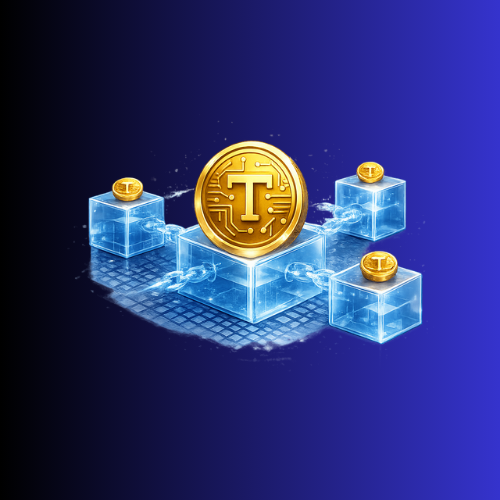
Tokenization blockchain refers to the process of representing ownership rights of an asset as digital tokens on a blockchain network. These tokens act as secure digital representations of physical or virtual assets and can be traded or transferred online.

The blockchain stores all ownership and transaction data in a transparent and tamper-proof manner. Each token may represent:

  1. Fractional ownership
  2. Full ownership
  3. Access rights
  4. Voting rights
  5. Utility within a digital ecosystem

This technology enables assets that were traditionally difficult to divide or trade to become more accessible and efficient.

How Tokenization Blockchain Works

The tokenization process generally includes the following steps:

  1. Asset Identification

    A physical or digital asset is selected for tokenization. This may include:

    1. Real estate
    2. Artwork
    3. Stocks and securities
    4. Commodities
    5. Intellectual property
    6. Digital collectibles
  2. Asset Valuation
    The asset’s market value is determined before creating digital tokens.
  3. Token Creation
    Blockchain-based tokens are generated to represent ownership shares of the asset.
  4. Smart Contract Deployment
    Smart contracts automate transactions, ownership transfers, and compliance procedures.
  5. Trading and Ownership Management
    Investors can buy, sell, or transfer tokens securely through blockchain platforms.

Benefits of Tokenization Blockchain

  1. Enhanced Security
    Blockchain technology provides secure and tamper-resistant transaction records.
  2. Fractional Ownership
    Investors can purchase smaller portions of expensive assets, increasing accessibility.
  3. Improved Liquidity
    Tokenized assets can be traded more efficiently compared to traditional asset markets.
  4. Greater Transparency
    Every transaction is recorded on the blockchain, ensuring transparency and accountability.
  5. Faster Transactions
    Smart contracts automate processes and reduce transaction delays.
  6. Lower Operational Costs
    By reducing intermediaries, tokenization decreases administrative and transaction costs.

Industries Using Tokenization Blockchain

  1. Real Estate
    Tokenization allows investors to own fractions of commercial or residential properties.
  2. Finance and Investment
    Stocks, bonds, and private equity can be digitized and traded efficiently.
  3. Art and Collectibles
    Rare artworks and collectibles can be divided into smaller ownership units.
  4. Supply Chain Management
    Blockchain tokenization improves tracking and verification of goods.
  5. Gaming and Digital Assets
    Gaming companies use blockchain tokens for virtual items and in-game economies.
  6. Healthcare
    Sensitive medical data and digital health assets can be securely managed using tokenization.

Why Businesses Are Adopting Tokenization Blockchain

Businesses are increasingly embracing tokenization blockchain because it improves operational efficiency and creates new investment opportunities. Companies benefit from enhanced security, simplified ownership management, and expanded market reach.

Key reasons businesses adopt tokenization include:

  1. Access to global investors
  2. Increased asset liquidity
  3. Improved compliance tracking
  4. Faster settlement processes
  5. Reduced fraud risks
  6. Secure digital transactions

As blockchain adoption grows, tokenization is becoming an important part of digital transformation strategies.

Challenges of Tokenization Blockchain

Despite its advantages, tokenization blockchain still faces several challenges.

  1. Regulatory Uncertainty
    Different countries have varying regulations regarding digital assets and tokenized securities.
  2. Technology Complexity
    Implementing blockchain infrastructure may require specialized technical expertise.
  3. Security Risks
    Poorly designed platforms or smart contracts can become vulnerable to cyberattacks.
  4. Limited Public Awareness
    Many people still lack understanding of blockchain and tokenization technologies.
  5. Market Volatility
    Some tokenized assets may face fluctuations in value depending on market conditions.

However, ongoing innovation and regulatory development are helping solve many of these issues.

Key Features of a Good Tokenization Blockchain Platform

Businesses selecting a tokenization platform should consider the following features:

  1. Advanced blockchain security
  2. Smart contract automation
  3. Regulatory compliance support
  4. Scalable infrastructure
  5. Multi-asset tokenization support
  6. User-friendly interface
  7. Secure digital wallets
  8. Real-time transaction tracking

A reliable platform ensures smooth and secure token management.

Future of Tokenization Blockchain

The future of tokenization blockchain is highly promising. Experts predict that trillions of dollars worth of assets may eventually be tokenized across global markets.

Emerging technologies such as decentralized finance (DeFi), artificial intelligence, and Web3 are expected to accelerate tokenization adoption even further.

Future developments may include:

  1. Fully decentralized asset trading
  2. Tokenized global investment markets
  3. AI-driven compliance systems
  4. Enhanced interoperability between blockchains
  5. Expansion of digital ownership ecosystems

As businesses and governments continue exploring blockchain applications, tokenization will play a major role in shaping the future of finance and digital commerce.

Future of Multi Factor Authentication Solutions

The future of MFA is evolving with emerging technologies such as artificial intelligence, behavioral analytics, and passwordless authentication.

Modern security systems are moving toward:

  1. Biometric-only authentication
  2. AI-powered threat detection
  3. Context-aware authentication
  4. Zero trust security models
  5. Passwordless login experiences

These innovations will make authentication both more secure and more user-friendly.

Conclusion

Tokenization blockchain is revolutionizing the way assets are owned, managed, and traded in the digital economy. By converting physical and digital assets into secure blockchain-based tokens, businesses and investors gain access to improved liquidity, transparency, and global investment opportunities.

As industries continue embracing blockchain technology, tokenization will become increasingly important for secure digital transactions and decentralized asset management. Whether in finance, real estate, healthcare, or gaming, tokenization blockchain is paving the way for a more efficient and accessible digital future.


More from Privacy and Blockchain

Secure Your Brand with
QED Vault

Start with a free trial and redefine trust with the digital product passport