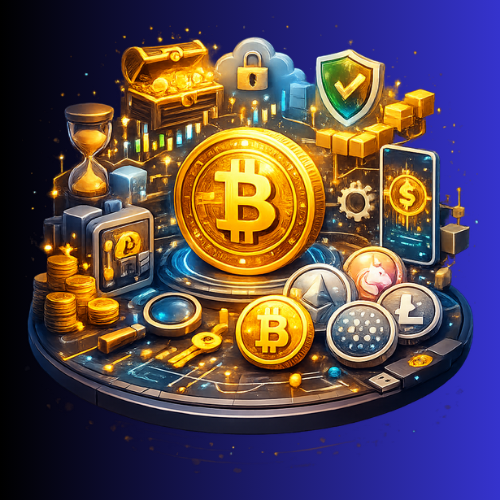
Digital Tokens: The Future of Secure Digital Assets and Blockchain Innovation
Left arrow All Blogs

Digital Tokens: The Future of Secure Digital Assets and Blockchain Innovation

Digital Tokens: The Future of Secure Digital Assets and Blockchain Innovation

Digital Tokens: The Future of Secure Digital Assets and Blockchain Innovation

In the rapidly evolving world of blockchain and decentralized technologies, digital tokens have emerged as a powerful tool transforming how value is created, stored, and transferred. From cryptocurrencies and NFTs to utility and security tokens, digital tokens are reshaping industries such as finance, gaming, real estate, and supply chain management.

As businesses and investors increasingly explore blockchain technology, understanding digital tokens and their applications has become essential for staying competitive in the digital economy.

What Are Digital Tokens?

Digital tokens are digital representations of assets, utilities, or rights that exist on a blockchain network. They are created and managed using smart contracts and distributed ledger technology. Unlike traditional digital files, digital tokens are secure, traceable, and tamper-proof.

Digital tokens can represent:

  1. Currency or value (cryptocurrencies)
  2. Ownership of real-world assets
  3. Access to services or platforms
  4. Voting rights in decentralized organizations
  5. Digital collectibles or NFTs

Their flexibility makes digital tokens one of the most innovative components of blockchain ecosystems.

Types of Digital Tokens

  1. Utility Tokens
    Utility tokens provide access to a specific product or service within a blockchain platform. They are commonly used in decentralized applications (dApps) and online ecosystems.
  2. Security Tokens
    Security tokens represent ownership in an asset such as company shares, real estate, or investment funds. They are regulated and offer legal rights similar to traditional securities.
  3. Payment Tokens
    These tokens function as digital currencies and are used for transactions. Cryptocurrencies like Bitcoin are examples of payment tokens.
  4. Non-Fungible Tokens (NFTs)
    NFTs are unique digital tokens representing ownership of digital or physical assets, including art, music, gaming items, and collectibles.

Key Benefits of Digital Tokens

  1. Enhanced Security
    Digital tokens use blockchain encryption, making transactions secure and resistant to fraud.
  2. Transparency
    All token transactions are recorded on a public or private ledger, ensuring accountability and trust.
  3. Faster Transactions
    Blockchain-based transfers eliminate intermediaries, speeding up payment and asset transfer processes.
  4. Global Accessibility
    Digital tokens can be accessed and traded globally without traditional banking limitations.
  5. Fractional Ownership
    They allow assets like real estate or artwork to be divided into smaller units, enabling broader investment participation.

How Businesses Use Digital Tokens

  1. Fundraising & Crowdfunding
    Startups launch token offerings to raise capital through Initial Coin Offerings (ICOs) or Security Token Offerings (STOs).
  2. Loyalty Programs
    Companies use digital tokens to reward customers with redeemable digital assets.
  3. Asset Tokenization
    Physical assets like property or gold can be tokenized, increasing liquidity and transparency.
  4. Gaming & Metaverse
    Digital tokens power virtual economies, enabling in-game purchases and ownership of digital items.
  5. Supply Chain
    Tokens ensure transparent tracking of goods from production to delivery.

Challenges of Digital Tokens

Despite their advantages, digital tokens face challenges such as regulatory uncertainty, market volatility, and cybersecurity risks. Governments worldwide are developing clearer regulations to protect investors and encourage responsible innovation.

Businesses entering the digital token space must ensure compliance, security, and technical reliability.

The Future of Digital Tokens

Digital tokens are at the core of Web3 and decentralized finance (DeFi). As blockchain adoption grows, tokenization of assets will expand across industries, making transactions more secure, efficient, and transparent.

Experts predict that digital tokens will redefine ownership models, financial systems, and digital identity management in the coming years.

Conclusion

Digital tokens are more than just digital currencies—they represent a shift toward decentralized, secure, and transparent systems. From enabling global payments to supporting asset tokenization and NFTs, digital tokens are driving innovation across industries.

For businesses and individuals looking to participate in the digital economy, understanding digital tokens is crucial. As blockchain technology continues to evolve, digital tokens will play a central role in shaping the future of finance and digital transformation.


More from Privacy and Blockchain

Secure Your Brand with
QED Vault

Start with a free trial and redefine trust with the digital product passport