QED
QED


 English
 QED
English
QED
English
 All Blogs
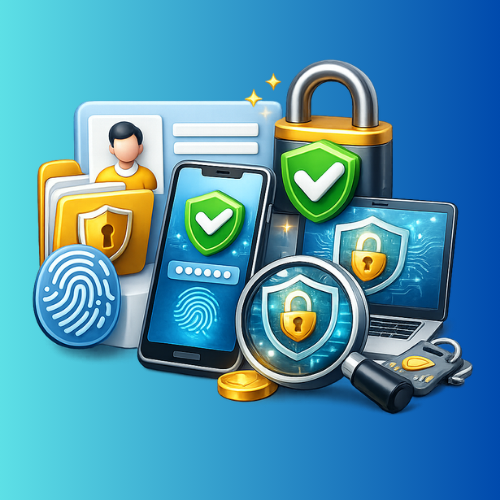
Digital Authentication for Secure Identity Verification and Business Protection
As businesses continue to embrace digital transformation, ensuring the authenticity of users, products, and online transactions has become more important than ever. Cyber threats, identity theft, counterfeit products, and online fraud are increasing rapidly, making security a top priority for organizations across every industry. This is where Digital Authentication plays a critical role. Digital authentication is the process of verifying the identity of a person, product, device, or digital asset before granting access or confirming authenticity.
Unlike traditional verification methods, digital authentication uses advanced technologies such as Artificial Intelligence (AI), biometric verification, QR codes, blockchain, NFC, OTP verification, encrypted databases, and cloud computing to provide fast, secure, and accurate authentication. Whether businesses need to verify customer identities, authenticate products, protect digital transactions, or secure sensitive information, digital authentication offers a reliable solution that improves security while enhancing customer trust. As organizations continue moving toward digital-first operations, implementing a robust digital authentication system has become essential for protecting business assets and delivering secure user experiences.
Digital authentication works by verifying information against trusted databases or secure digital records. Depending on the application, users may authenticate themselves using passwords, one-time passwords (OTP), biometric recognition, facial recognition, fingerprints, QR codes, NFC-enabled devices, or digital certificates. Once the authentication request is submitted, the system compares the provided information with encrypted records and instantly determines whether the identity or product is genuine.
One of the primary benefits of digital authentication is enhanced security. It helps businesses prevent unauthorized access, identity theft, and fraudulent transactions by ensuring that only verified users or products are approved. Automated authentication significantly reduces manual verification efforts, improving speed, accuracy, and operational efficiency. Businesses can onboard customers more quickly, secure online transactions, and reduce the risk of costly fraud.
Digital authentication also strengthens customer trust. When customers know their personal information and transactions are protected by secure authentication technologies, they are more confident in interacting with a business. Additionally, organizations benefit from compliance with regulatory requirements such as Know Your Customer (KYC), Anti-Money Laundering (AML), GDPR, and other industry-specific security standards.
Digital authentication is widely used across numerous industries to protect users, products, and sensitive information. In the banking and financial sector, authentication systems verify customer identities, secure online banking, authorize payments, and support KYC compliance. Multi-factor authentication and biometric verification have become standard practices for protecting financial transactions.
Healthcare organizations use digital authentication to verify patients, protect electronic medical records, authenticate healthcare professionals, and secure access to hospital management systems. Manufacturing companies implement digital authentication for product verification, assigning unique QR codes or NFC tags that customers can scan to confirm product authenticity and prevent counterfeit goods.
E-commerce businesses rely on digital authentication to validate customers, verify sellers, secure payment gateways, and reduce fraudulent purchases. Educational institutions use authentication systems to verify student identities, issue secure digital certificates, and protect academic records. Government agencies utilize digital authentication for passport verification, digital identity management, driver's license validation, and secure public services. The technology is also widely used in telecommunications, insurance, logistics, retail, and enterprise software to ensure secure access and protect valuable digital assets.
As cyber threats continue to evolve, businesses must adopt stronger security measures to protect customers, employees, and critical business data. Implementing Digital Authentication helps organizations reduce fraud, strengthen cybersecurity, improve regulatory compliance, and build lasting customer trust. By replacing manual verification with intelligent authentication technologies, businesses can improve operational efficiency while minimizing security risks.
Modern digital authentication platforms integrate seamlessly with ERP systems, CRM software, cloud applications, mobile apps, e-commerce platforms, and enterprise management solutions. Advanced features such as AI-powered fraud detection, blockchain security, biometric authentication, encrypted databases, API integration, and real-time monitoring make these solutions highly scalable and suitable for businesses of every size.
Investing in digital authentication is more than a security upgrade—it is a long-term strategy for protecting brand reputation, enhancing customer confidence, and supporting sustainable business growth. Organizations that implement secure authentication solutions today will be better prepared to meet future cybersecurity challenges while delivering a safe, reliable, and seamless digital experience.
Start with a free trial and redefine trust with the digital product passport