QED
QED


 English
 QED
English
QED
English
 All Blogs
Consumer Brand Authentication for Building Trust and Protecting Genuine Products
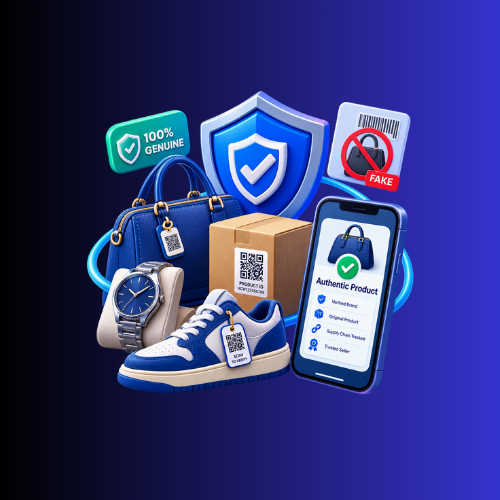
Counterfeit products have become a major challenge for businesses and consumers alike. Fake goods not only cause financial losses but also damage brand reputation and reduce customer confidence. As consumers become more aware of product authenticity, businesses must adopt advanced technologies to verify genuine products. Consumer Brand Authentication provides a reliable solution by enabling customers to confirm product authenticity before making or after completing a purchase.
By combining digital technologies such as QR codes, NFC tags, blockchain, and secure authentication systems, consumer brand authentication helps brands protect their products while delivering a transparent and trustworthy customer experience.
Consumer Brand Authentication is the process of verifying that a product is genuine and manufactured by the original brand. It allows consumers to authenticate products using digital verification methods before purchasing or using them.
Authentication systems assign a unique digital identity to each product, enabling customers to verify authenticity through smartphones or other digital devices. This helps eliminate counterfeit products from the supply chain while strengthening consumer trust.
Counterfeit goods affect nearly every industry, including pharmaceuticals, electronics, cosmetics, luxury goods, food, and fashion. A strong authentication system protects both businesses and consumers.
Protects Brand Reputation
Counterfeit products can negatively impact a company's image. Consumer brand authentication ensures that
customers receive only genuine products, protecting the brand's credibility.
Builds Consumer Trust
Customers are more likely to purchase products from brands that provide transparent authentication
methods. Easy verification increases confidence and encourages repeat purchases.
Prevents Counterfeit Sales
Authentication technology makes it significantly harder for counterfeit products to enter legitimate
supply chains by allowing instant verification of product authenticity.
Enhances Customer Experience
Consumers appreciate brands that prioritize product security. Authentication systems provide a simple
and convenient way to confirm product authenticity within seconds.
Modern authentication systems use multiple technologies to verify product authenticity.
Unique Product Identity
Each product receives a unique digital identifier that cannot be easily duplicated.
Secure Authentication Code
A secure QR code, NFC tag, RFID label, or encrypted serial number is attached to the product packaging.
Consumer Verification
Customers scan the code using a smartphone or authentication application to verify whether the product
is genuine.
Instant Verification
The authentication platform checks the product information against a secure database and immediately
displays the verification result.
Data Collection
Brands can collect valuable insights such as product location, scan frequency, customer engagement, and
supply chain movement.
Several advanced technologies are commonly used to protect products.
QR Code Authentication
Consumers scan a unique QR code to instantly verify product authenticity and access additional product
information.
NFC Authentication
Near Field Communication (NFC) chips provide secure, contactless authentication through compatible
smartphones.
Blockchain Technology
Blockchain creates an immutable record of product ownership and movement, ensuring transparency across
the supply chain.
RFID Technology
Radio Frequency Identification (RFID) helps businesses monitor inventory while supporting secure product
authentication.
Digital Product Identity
Every product is assigned a secure digital identity that enables accurate verification throughout its
lifecycle.
Increased Consumer Confidence
Verified products reassure customers that they are purchasing authentic goods from trusted brands.
Improved Brand Loyalty
Consumers are more likely to remain loyal to brands that actively protect them from counterfeit
products.
Better Supply Chain Visibility
Businesses can track products from manufacturing to the final customer, improving transparency and
operational control.
Actionable Business Insights
Authentication platforms provide valuable data about customer interactions, geographic distribution, and
product demand.
Reduced Financial Losses
Preventing counterfeit sales protects company revenue and reduces costs associated with fraud
investigations and product recalls.
Consumer brand authentication is widely adopted across various industries, including:
Businesses should evaluate several factors before implementing an authentication platform.
Look for solutions that provide:
As counterfeit activities become more sophisticated, authentication technologies continue to evolve.
Emerging trends include:
These innovations will further strengthen brand protection while creating safer and more transparent purchasing experiences.
To maximize effectiveness, businesses should:
Consumer Brand Authentication is an essential strategy for businesses seeking to protect their products, strengthen customer trust, and combat counterfeit goods. By leveraging technologies such as QR codes, blockchain, NFC, and digital product identities, brands can provide consumers with instant verification while improving supply chain transparency.
As customer expectations for authenticity continue to grow, investing in a reliable consumer brand authentication solution helps businesses safeguard their reputation, increase loyalty, and maintain a competitive advantage in today's digital marketplace.
Start with a free trial and redefine trust with the digital product passport