Brand Authentication: Protecting Your Business from Counterfeiting
Left arrow All Blogs

Brand Authentication: Protecting Your Business from Counterfeiting

Brand Authentication: Protecting Your Business from Counterfeiting

Brand Authentication: Protecting Your Business from Counterfeiting

In today’s competitive and digitally connected marketplace, protecting your brand is more important than ever. With the rise of counterfeit products and online fraud, businesses face increasing risks to their reputation and customer trust. This is where brand authentication becomes essential.

Brand authentication ensures that customers can verify the originality of products and services, helping businesses maintain credibility and safeguard their identity.

What is Brand Authentication?

Brand authentication refers to the process of verifying that a product, service, or digital asset is genuine and officially associated with a specific brand. It involves the use of technologies and strategies to prevent duplication, fraud, and unauthorized use.

This can include physical product verification as well as digital authentication systems for online platforms.

Why Brand Authentication is Important

Counterfeit goods and fake branding can severely damage a company’s reputation. Implementing brand authentication offers several benefits:

  1. Protects Brand Reputation: Ensures customers receive genuine products
  2. Builds Customer Trust: Consumers feel confident buying authentic items
  3. Prevents Revenue Loss: Reduces the impact of counterfeit goods
  4. Enhances Legal Protection: Helps enforce intellectual property rights
  5. Improves Customer Experience: Assures quality and reliability

Common Brand Authentication Methods

Businesses use various methods to authenticate their brand and products:

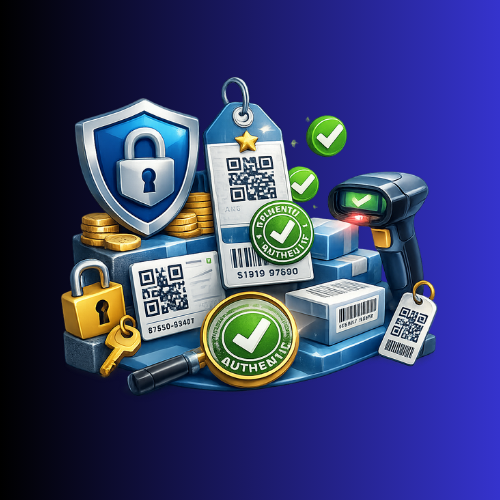
  1. QR Code Verification
    Customers can scan a QR code to verify product authenticity instantly.
  2. Holograms and Security Labels
    Tamper-proof labels and holograms make duplication difficult.
  3. RFID and NFC Technology
    Smart chips embedded in products provide real-time authentication.
  4. Blockchain-Based Authentication
    Blockchain ensures secure and transparent tracking of products across the supply chain.
  5. Digital Certificates
    Secure digital authentication systems verify ownership and legitimacy.

Key Features of an Effective Brand Authentication System

A reliable brand authentication system should include:

  1. Real-Time Verification
  2. Tamper-Proof Security Measures
  3. User-Friendly Interface
  4. Scalability for Business Growth
  5. Integration with Existing Systems

These features help businesses stay ahead of counterfeiters and fraudsters.

Benefits of Brand Authentication for Businesses

Implementing brand authentication delivers long-term advantages:

  1. Increased Customer Loyalty
  2. Stronger Market Position
  3. Better Supply Chain Transparency
  4. Reduced Fraud and Counterfeiting
  5. Improved Brand Value

By ensuring authenticity, businesses can create a lasting impression on customers.

Industries That Need Brand Authentication

Brand authentication is crucial across multiple industries:

  1. Luxury Goods: Protect high-value items from counterfeiting
  2. Pharmaceuticals: Ensure safety and authenticity of medicines
  3. Electronics: Prevent fake or substandard products
  4. Fashion & Apparel: Maintain brand identity
  5. Food & Beverages: Guarantee product safety and origin

How to Choose the Right Brand Authentication Solution

When selecting a brand authentication solution, consider:

  1. Level of security required
  2. Ease of implementation
  3. Cost-effectiveness
  4. Customer usability
  5. Compatibility with your business model

Choosing the right solution can significantly impact your brand’s protection strategy.

Future Trends in Brand Authentication

The future of brand authentication is evolving rapidly with technologies like:

  1. AI-Based Fraud Detection
  2. Blockchain Verification Systems
  3. IoT-Enabled Smart Packaging
  4. Biometric Authentication

These innovations are making authentication more secure and user-friendly.

Conclusion

Brand authentication is no longer optional—it is a necessity in today’s market. With increasing risks of counterfeiting and digital fraud, businesses must adopt strong authentication strategies to protect their identity and customers.

By investing in brand authentication, companies not only secure their products but also build trust, credibility, and long-term success.


More from Privacy and Blockchain

Secure Your Brand with
QED Vault

Start with a free trial and redefine trust with the digital product passport