QED
QED


 English
 QED
English
QED
English
 All Blogs
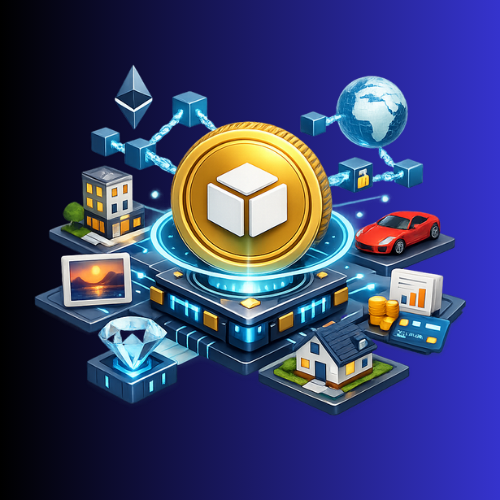
Blockchain Tokenization: A Smarter Way to Digitize Assets
The digital economy is evolving rapidly, and businesses are looking for secure, transparent, and efficient ways to manage assets. One of the most powerful innovations driving this change is blockchain tokenization , which allows real-world and digital assets to be represented securely on a blockchain network.
By transforming assets into digital tokens, organizations can unlock new levels of accessibility, efficiency, and trust.
Tokenization is the process of converting ownership rights of an asset into a digital form stored on a blockchain. These digital representations are protected using cryptographic security and recorded on a decentralized ledger, ensuring accuracy and tamper-proof ownership records.
Assets that can be tokenized include real estate, financial instruments, intellectual property, commodities, and digital resources.
The process usually involves identifying an asset, defining its ownership structure, and creating smart contracts that govern how the asset is issued, transferred, and managed. Once created, tokens can be securely stored in digital wallets and transferred without relying on traditional intermediaries.
This decentralized approach increases transparency and significantly reduces operational friction.
The tokenization process typically follows these steps:
These benefits make blockchain-based asset digitization attractive across industries.
Today, organizations are applying tokenization across multiple sectors, including real estate investment, financial services, supply chain tracking, and digital identity management. With growing adoption, blockchain tokenization is becoming a foundation for modern digital asset ecosystems.
As regulations mature and technology advances, asset digitization on blockchain networks will continue to expand. Businesses that adopt these solutions early are better positioned to scale globally, improve trust, and innovate faster in a competitive digital marketplace.
Asset digitization using blockchain technology is no longer experimental—it is a practical solution delivering real value. By embracing blockchain tokenization, businesses can modernize asset management, improve efficiency, and build future-ready digital platforms.
Start with a free trial and redefine trust with the digital product passport