Authentication Solutions: Securing Digital Trust in a Connected World
Left arrow All Blogs

Authentication Solutions: Securing Digital Trust in a Connected World

Authentication Solutions: Securing Digital Trust in a Connected World

Authentication Solutions: Securing Digital Trust in a Connected World

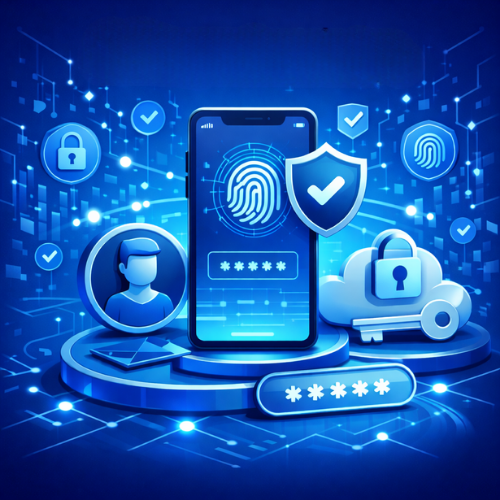
As businesses continue to digitize operations, protect data, and engage customers online, security has become a critical priority. Cyber threats are growing more sophisticated, identity fraud is rising, and unauthorized access can lead to financial losses and reputational damage. In this environment, authentication solutions play a vital role in establishing trust, protecting systems, and ensuring secure digital interactions.

From enterprise platforms to consumer applications, authentication has become the foundation of modern digital security.

What Are Authentication Solutions?

Authentication solutions are technologies and processes used to verify the identity of users, devices, or systems before granting access. Their purpose is to ensure that only authorized individuals can access sensitive data, applications, or services.

Unlike simple password-based methods, modern authentication solutions combine multiple verification factors and intelligent security mechanisms to reduce risk and improve reliability.

Why Authentication Solutions Are Essential Today

Digital transformation has expanded access points across cloud platforms, mobile apps, APIs, and remote work environments. Traditional security models are no longer sufficient.

Authentication solutions help organizations:

  1. Prevent unauthorized access and identity theft
  2. Protect confidential business and customer data
  3. Comply with regulatory and industry standards
  4. Reduce fraud and cyberattack risks
  5. Enable secure remote access and digital workflows

Without strong authentication, even advanced security systems can be compromised.

Types of Authentication Solutions

Modern authentication systems use a layered approach to identity verification.

  1. Password-Based Authentication
    This is the most basic form of authentication, relying on usernames and passwords. While widely used, it is vulnerable to phishing, brute-force attacks, and credential reuse.
  2. Multi-Factor Authentication (MFA)
    MFA strengthens security by requiring two or more verification factors, such as passwords, OTPs, biometrics, or hardware tokens. This significantly reduces the risk of unauthorized access.
  3. Biometric Authentication Biometric solutions verify identity using fingerprints, facial recognition, iris scans, or voice patterns. These methods offer high accuracy and convenience, especially for mobile and enterprise applications.
  4. Token-Based Authentication Digital tokens and security keys generate time-based or cryptographic credentials that authenticate users without exposing sensitive information.
  5. Certificate-Based Authentication Inventory tracking and provenance verificationDigital certificates verify users or devices using encrypted credentials, commonly used in enterprise networks and secure communications.

Key Benefits of Advanced Authentication Solutions

  1. Enhanced Security
    Multi-layer authentication minimizes vulnerabilities and prevents breaches caused by stolen or weak credentials.
  2. Improved User Experience
    Modern authentication balances security with convenience, enabling faster logins and seamless access without repetitive password entry.
  3. Scalability for Growing Businesses
    Cloud-based authentication solutions can scale easily as organizations expand users, devices, and applications.
  4. Regulatory Compliance
    Strong authentication supports compliance with standards such as GDPR, HIPAA, PCI DSS, and other data protection regulations.
  5. Reduced IT Overhead
    Automated authentication workflows reduce password resets, support requests, and manual security interventions.

Authentication Solutions Across Industries

Authentication is a critical requirement across multiple sectors:

  1. Banking & Finance Preventing fraud and securing digital transactions
  2. Healthcare Protecting patient data and ensuring authorized access
  3. E-commerce Securing customer accounts and payments
  4. Enterprise IT Managing employee access and remote work security
  5. Government & Public Services Safeguarding sensitive systems and citizen data

Each industry relies on authentication solutions to maintain trust and operational integrity.

The Future of Authentication Solutions

As cyber threats evolve, authentication solutions are moving toward passwordless and adaptive security models. Artificial intelligence, behavioral analytics, and decentralized identity frameworks are shaping the next generation of authentication.

Future systems will dynamically assess risk based on user behavior, location, and device context—strengthening security while simplifying access.

Conclusion

In an increasingly digital world, authentication solutions are no longer optional—they are essential. They protect identities, secure systems, and enable organizations to operate confidently in connected environments.

By investing in modern authentication strategies, businesses not only defend against cyber threats but also build long-term trust with users, partners, and customers.


More from Privacy and Blockchain

Secure Your Brand with
QED Vault

Start with a free trial and redefine trust with the digital product passport