QED
QED


 English
 QED
English
QED
English
 All Blogs
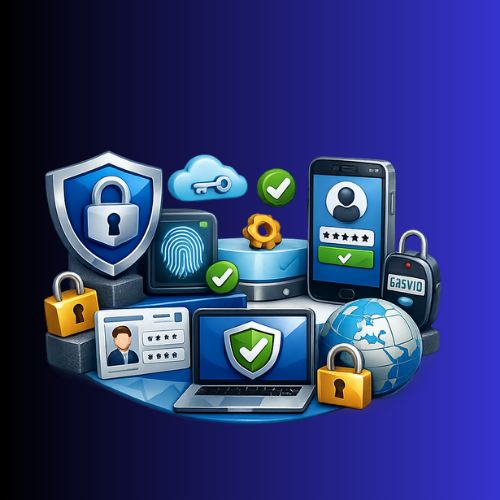
Authentication Platform: The Future of Secure Digital Access
In today’s fast-paced digital world, security is no longer optional—it’s essential. Businesses and individuals rely on digital systems for transactions, communication, and data storage. This is where an Authentication Platform plays a critical role. It ensures that only authorized users can access systems, protecting sensitive information from cyber threats.
An Authentication Platform is a system designed to verify the identity of users before granting access to applications, websites, or networks. It acts as a digital gatekeeper, ensuring that the person attempting to log in is who they claim to be.
These platforms use various methods such as passwords, biometrics, one-time passwords (OTP), and multi-factor authentication (MFA) to enhance security.
With rising cyberattacks and data breaches, relying solely on passwords is no longer safe. An authentication platform provides:
Organizations that implement a robust authentication system significantly reduce the risk of identity theft and fraud.
A modern authentication platform offers advanced capabilities such as:
Authentication platforms support various methods, including:
Each method offers different levels of security and user convenience, allowing businesses to choose what best fits their needs.
Implementing an authentication platform can transform your digital security strategy:
It not only protects your organization but also enhances operational efficiency.
Authentication platforms are widely used across industries:
When selecting an authentication platform, consider:
A well-chosen platform will align with your business goals while ensuring maximum protection.
The future of authentication platforms lies in passwordless authentication, AI-driven security, and decentralized identity systems. Technologies like blockchain and behavioral biometrics are shaping a more secure and seamless authentication experience.
An authentication platform is the backbone of modern digital security. As cyber threats continue to evolve, businesses must adopt advanced authentication solutions to stay protected. By implementing a reliable platform, organizations can secure their data, enhance user trust, and ensure seamless access management.
Start with a free trial and redefine trust with the digital product passport