Asset Tokenization Platform: Transforming Real-World Assets into Digital Opportunities
Left arrow All Blogs

Asset Tokenization Platform: Transforming Real-World Assets into Digital Opportunities

Asset Tokenization Platform: Transforming Real-World Assets into Digital Opportunity

Asset Tokenization Platform: Transforming Real-World Assets into Digital Opportunities

The financial world is rapidly changing, and businesses are adopting innovative technologies to improve investment accessibility, liquidity, and transparency. One of the biggest innovations in recent years is the rise of the asset tokenization platform. This technology is reshaping how people buy, sell, and manage assets by converting physical or traditional assets into blockchain-based digital tokens.

From real estate and artwork to stocks and commodities, asset tokenization is opening new investment opportunities for businesses and individuals worldwide. In this blog, we’ll explore what an asset tokenization platform is, how it works, its benefits, industries using it, and why it is considered the future of digital finance.

What is an Asset Tokenization Platform?

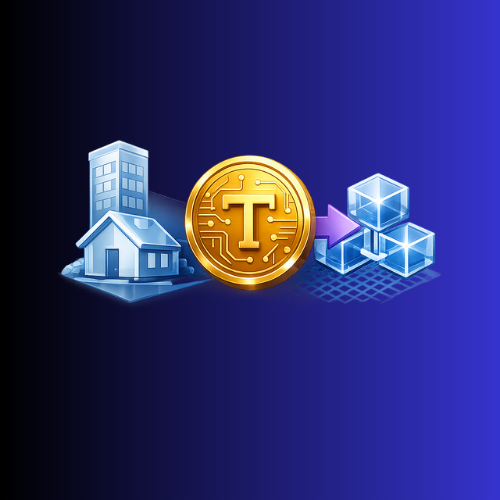
An asset tokenization platform is a blockchain-based system that converts ownership rights of real-world or digital assets into digital tokens. These tokens represent a share or ownership in the underlying asset and can be traded securely online.

Tokenization allows assets that were traditionally difficult to divide or trade to become more accessible to investors. Instead of purchasing an entire property or expensive artwork, investors can buy fractional ownership through tokens.

The platform uses blockchain technology to ensure transparency, security, and immutable ownership records.

How Does an Asset Tokenization Platform Work?

The process of tokenization generally follows these steps:

  1. Asset Selection

    A physical or digital asset is selected for tokenization. This could include:

    • Real estate
    • Gold and precious metals
    • Artwork and collectibles
    • Stocks and bonds
    • Intellectual property
    • Commodities
  2. Asset Valuation
    The selected asset is evaluated to determine its market value.
  3. Token Creation
    Digital tokens are created on a blockchain network. Each token represents a fraction of ownership in the asset.
  4. Smart Contract Integration
    Smart contracts automate transactions, ownership transfers, and compliance procedures.
  5. Investor Participation
    Investors can purchase tokens through the asset tokenization platform and hold or trade them digitally.

Key Benefits of an Asset Tokenization Platform

  1. Increased Liquidity
    Traditionally illiquid assets such as real estate become easier to trade when tokenized. Investors can buy and sell fractional shares quickly.
  2. Fractional Ownership
    Tokenization allows smaller investors to participate in high-value investments that were previously inaccessible.
  3. Enhanced Transparency
    Blockchain technology records every transaction securely and transparently.
  4. Faster Transactions
    Asset transfers become faster because smart contracts automate processes without intermediaries.
  5. Global Investment Access
    Investors from different parts of the world can participate in tokenized asset markets.
  6. Reduced Costs
    By removing middlemen and automating processes, operational and transaction costs are significantly reduced.

Industries Using Asset Tokenization Platforms

  1. Real Estate
    Real estate tokenization is one of the fastest-growing applications. Investors can own fractions of commercial or residential properties.
  2. Art and Collectibles
    High-value art pieces and collectibles can be divided into smaller ownership shares.
  3. Finance and Securities
    Stocks, bonds, and private equity can be tokenized to improve market efficiency.
  4. Supply Chain
    Tokenization helps track ownership and authenticity of goods across supply chains.
  5. Gaming and Digital Assets
    Gaming companies are tokenizing virtual assets and in-game items for secure ownership.

Why Businesses are Investing in Asset Tokenization Platforms

Businesses are increasingly adopting asset tokenization because it creates new funding opportunities and improves operational efficiency. Companies can raise capital faster while offering investors secure digital ownership.

An asset tokenization platform also helps organizations:

  1. Improve investor trust
  2. Expand market reach
  3. Increase asset accessibility
  4. Enable 24/7 trading
  5. Simplify compliance processes

As blockchain adoption grows, more enterprises are integrating tokenization into their digital transformation strategies.

However, ongoing technological advancements and regulatory developments are helping overcome these barriers.

Challenges of Asset Tokenization

Despite its advantages, asset tokenization also faces some challenges:

  1. Regulatory Compliance
    Different countries have varying regulations for digital assets and tokenized securities.
  2. Market Awareness
    Many investors still lack understanding of blockchain and tokenization.
  3. Technology Adoption
    Businesses may require technical expertise and infrastructure for implementation.

However, ongoing technological advancements and regulatory developments are helping overcome these barriers.

Features to Look for in an Asset Tokenization Platform

When selecting an asset tokenization platform, businesses should consider:

  1. Blockchain security
  2. Smart contract functionality
  3. Regulatory compliance support
  4. User-friendly interface
  5. Scalability
  6. Multi-asset support
  7. Investor management tools
  8. Trading capabilities

A reliable platform ensures smooth token issuance, trading, and management.

Future of Asset Tokenization Platforms

The future of tokenization looks extremely promising. Experts predict that trillions of dollars worth of assets could be tokenized in the coming years.

Emerging technologies such as decentralized finance (DeFi), artificial intelligence, and advanced blockchain protocols will further enhance the capabilities of asset tokenization platforms.

Governments and financial institutions are also exploring tokenized assets as part of the evolving digital economy.

Conclusion

An asset tokenization platform is revolutionizing how assets are owned, traded, and managed. By leveraging blockchain technology, businesses and investors gain access to improved liquidity, transparency, and global investment opportunities.

As industries continue embracing digital transformation, asset tokenization will play a major role in shaping the future of finance and investment. Whether it’s real estate, art, commodities, or financial securities, tokenization is unlocking a more accessible and efficient financial ecosystem for everyone.


More from Privacy and Blockchain

Secure Your Brand with
QED Vault

Start with a free trial and redefine trust with the digital product passport